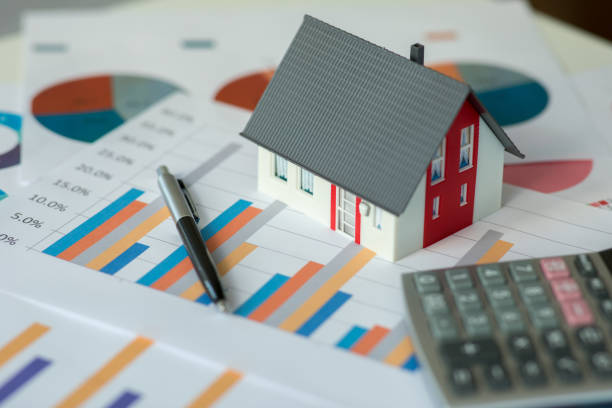
Many new investors calculate ROI using only purchase price and rental income, ignoring hidden costs. This oversimplified approach creates a distorted picture of actual profitability and investment performance over time.
Property taxes, insurance, maintenance, vacancy periods, and management fees significantly impact your bottom line. Skipping these expenses inflates perceived returns, leading investors to make decisions based on unrealistic financial expectations and projections.
True ROI requires looking beyond surface numbers to understand cash flow, equity growth, tax benefits, and appreciation combined. Each component contributes differently to overall investment performance and long-term wealth building.
Understanding these nuances helps investors compare properties accurately, avoid costly mistakes, and build sustainable rental portfolios. Accurate calculations separate successful real estate investors from those who struggle financially.
Net Operating Income, or NOI, represents total rental income minus operating expenses before financing costs. This figure forms the foundation for almost every meaningful rental property return calculation available.
Operating expenses include property taxes, insurance, repairs, maintenance, property management fees, and utilities paid by landlords. Mortgage payments are excluded since NOI measures property performance independent of financing structure.
Calculate gross rental income first, then subtract vacancy losses using realistic occupancy rates for your market. Many investors overestimate occupancy, inflating income projections and skewing overall profitability calculations significantly.
Accurate NOI calculation requires tracking actual expenses over twelve months, not estimates. Review utility bills, maintenance invoices, and tax statements to ensure precision in your final NOI figure.
Cash-on-cash return measures annual pre-tax cash flow against total cash invested, providing a practical investor perspective. This metric reflects actual money generated relative to out-of-pocket investment amounts spent.
To calculate this, divide annual cash flow by total cash invested, including down payment and closing costs. Renovation expenses should also factor into your total initial cash investment figure.
This metric proves valuable because it accounts for leverage, showing how financing affects actual investor returns. Properties with mortgages often show different cash-on-cash returns than all-cash purchase scenarios.
Comparing cash-on-cash returns across multiple properties helps investors identify which deals offer superior immediate cash flow performance. This makes portfolio comparison and decision-making considerably easier and more reliable.
Property appreciation significantly impacts total returns, though it remains unrealized until the property sells. Historical appreciation rates vary by location, requiring careful market research before incorporating projections into calculations.
Equity growth through mortgage paydown represents another overlooked return component many investors fail to consider properly. Each monthly payment increases ownership stake, building wealth independent of market appreciation.
Combine appreciation estimates with equity paydown to calculate total return potential beyond simple cash flow metrics. This comprehensive view reveals true long-term wealth-building potential of rental property investments.
Conservative appreciation assumptions protect investors from overly optimistic projections that rarely materialize as expected. Using historical local data rather than national averages produces more realistic, defensible investment projections.
Rental properties offer substantial tax advantages through depreciation deductions, reducing taxable income significantly each year. Depreciation allows investors to deduct a portion of property value annually over decades.
Calculate annual depreciation by dividing the building value, excluding land, by the standard 27.5-year residential schedule. This deduction reduces taxable rental income without requiring any actual cash expenditure.
Additional tax benefits include mortgage interest deductions, repair expense write-offs, and potential 1031 exchange opportunities for deferring taxes. These factors meaningfully increase true after-tax investment returns substantially.
Consult tax professionals when calculating these benefits since individual circumstances, income levels, and local regulations affect actual realized tax savings. Personalized advice ensures accurate financial projections and compliance.
Total return combines cash flow, equity paydown, appreciation, and tax benefits into one comprehensive investment performance metric. This holistic approach reveals the complete financial picture of rental property ownership.
Calculate total return by adding annual cash flow, principal paydown, appreciation gains, and tax savings together. Divide this combined figure by total cash invested to determine true percentage returns.
This comprehensive calculation often reveals returns significantly higher than basic cash-on-cash metrics suggest alone. Many profitable rental properties show modest cash flow but substantial total returns overall.
Tracking total returns annually helps investors evaluate whether properties meet long-term financial goals effectively. This data-driven approach supports better portfolio management and future investment decision-making processes.
Underestimating vacancy rates remains among the most frequent errors investors make when projecting rental property returns. Always research local market vacancy data rather than assuming continuous full occupancy.
Forgetting capital expenditure reserves for major repairs like roofing, HVAC systems, or plumbing creates inaccurate long-term projections. Set aside reserves representing five to ten percent of rental income annually.
Ignoring closing costs, inspection fees, and initial repair expenses when calculating total cash invested artificially inflates calculated returns. Include every dollar spent acquiring and preparing the property properly.
Overestimating appreciation based on recent market trends rather than historical averages creates unrealistic long-term return expectations. Conservative, data-backed assumptions produce more reliable and trustworthy investment projections overall.

This post has been authored and published by one of our premium contributors, who are experts in their fields. They bring high-quality, well-researched content that adds significant value to our platform.












Real Estate Guide provides trusted real estate news, market insights, investment tips, and property resources to help buyers, sellers, and investors make informed decisions.