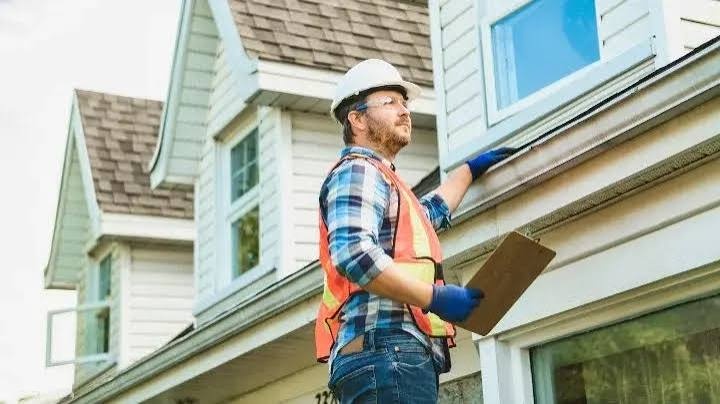
Buying, owning, or insuring an older home in Florida often requires more than routine maintenance. Insurance companies and homeowners may need a clearer understanding of the condition of several major components, particularly in aging properties. This is where a four point home inspection can provide valuable information.
Unlike a comprehensive residential inspection that examines many accessible areas of a property, a four-point evaluation focuses on four major systems: the roof, electrical system, plumbing system, and heating and cooling system. Understanding these components can help homeowners prepare for insurance requirements and make more informed property decisions.
A four-point inspection is a specialized evaluation commonly associated with older residential properties. The inspector examines the condition and observable characteristics of four primary systems that can significantly influence a home's maintenance and insurance considerations.
These systems generally include:
The inspection is primarily visual and based on accessible components. It is not intended to replace a full home inspection or identify every possible defect throughout a property.
Florida homeowners face unique property-related challenges. High humidity, intense sunlight, heavy rainfall, tropical weather, and hurricanes can place additional demands on residential structures and building systems.
Insurance providers may want information about the age and condition of important home components before determining eligibility, coverage, or premiums. Requirements can vary between insurers and policies, so homeowners should always confirm current documentation requirements directly with their insurance provider.
A four point home inspection can give homeowners useful information about the condition and characteristics of the four major systems typically reviewed during the evaluation.
The roof is one of the most important parts of a Florida home. Inspectors typically look at observable roofing materials, general condition, installation characteristics, and visible signs of deterioration.
Age is also an important consideration. Older roofing systems may receive additional attention because their remaining service life and condition can influence insurance decisions.
Visible damage, missing materials, deterioration, or signs of water intrusion may indicate that further evaluation or maintenance is appropriate.
Electrical systems can vary considerably depending on the home's age and construction. During an inspection, accessible components may be reviewed for observable conditions that could warrant further attention.
The evaluation may include visible portions of the service equipment, wiring, panels, and other accessible electrical components. Certain older electrical configurations may require additional consideration by qualified professionals.
An inspection is not the same as a comprehensive electrical analysis. If a potentially hazardous condition is identified, consultation with a licensed electrician may be recommended.
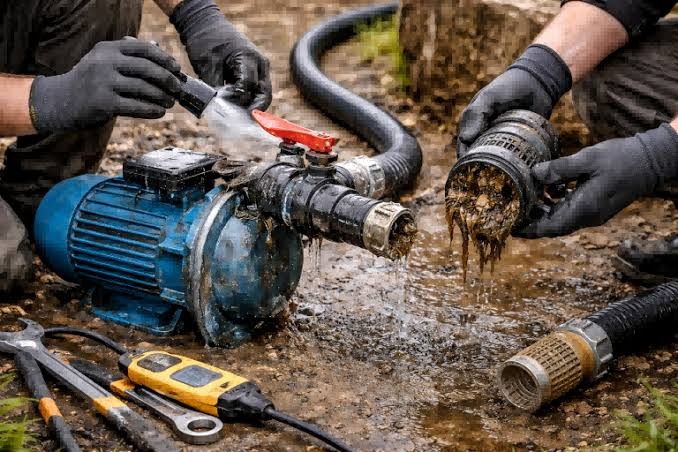
Plumbing is another major component of the evaluation. Inspectors may review accessible supply and drain piping, water heaters, fixtures, and visible plumbing connections.
Older homes may contain aging materials or components that deserve closer attention. Leaks, corrosion, deteriorated connections, or other observable concerns can provide homeowners with an opportunity to investigate problems before they become more expensive.
Regular maintenance can also help protect a home's plumbing system from avoidable damage.
Florida's warm climate makes heating and cooling equipment particularly important. An inspector generally evaluates accessible portions of the HVAC system and documents observable conditions, including equipment characteristics and apparent condition.
Poor maintenance can affect comfort, efficiency, and equipment longevity. Homeowners should remember that a standard inspection does not constitute a detailed mechanical performance analysis. Specialized HVAC evaluation may be appropriate when significant concerns are discovered.
Timing depends on the homeowner's circumstances. A four-point evaluation may be useful when obtaining or renewing insurance, purchasing an older property, evaluating an investment home, or documenting the condition of major systems.
Homeowners preparing to sell an older property may also benefit from understanding the condition of these systems before listing. Knowing about potential concerns can help sellers plan maintenance and communicate more effectively with their real estate professionals.
Because insurance requirements can change, it is wise to ask the insurer what inspection form, information, and documentation are currently required before scheduling the service.
One common misunderstanding is assuming that a four-point evaluation replaces a complete home inspection. These services have different purposes.
A full residential inspection generally covers many accessible areas of a home, including structural components, exterior elements, interior areas, electrical systems, plumbing, HVAC, roofing, and other components within the inspection's scope.
A four-point evaluation has a narrower focus on four major systems.
For someone purchasing a property, a comprehensive inspection can provide broader information about the home's overall condition. For insurance-related purposes, a specialized inspection may provide the specific information requested by an insurer.
The quality of an inspection depends heavily on the inspector's experience, knowledge, and attention to detail. Homeowners should select a qualified professional who understands Florida properties and can clearly explain the findings.
Before scheduling an inspection, confirm what the service includes and whether the resulting report meets the requirements of the intended insurance company.
A four point home inspection can be a practical tool for understanding the condition of essential home systems, particularly when insurance documentation is involved. However, homeowners should view the report as one part of responsible property maintenance rather than a guarantee of insurance approval.
Florida homeowners can benefit from taking a proactive approach to property care. Understanding the condition of the roof, electrical system, plumbing, and HVAC equipment can help identify areas that may require maintenance or further professional evaluation.
Whether you're maintaining an older residence, preparing for an insurance review, or considering a property purchase, reliable inspection information can reduce uncertainty.
Ultimately, a four point home inspection provides focused insight into four critical residential systems. Combined with regular maintenance and appropriate specialist evaluations, it can help homeowners make better-informed decisions about their property in 2026.

This post has been authored and published by one of our premium contributors, who are experts in their fields. They bring high-quality, well-researched content that adds significant value to our platform.









Real Estate Guide provides trusted real estate news, market insights, investment tips, and property resources to help buyers, sellers, and investors make informed decisions.