Newly constructed homes often attract buyers because they offer modern layouts that match contemporary lifestyles. Open floor plans, larger windows, and updated kitchen designs are standard features that older homes frequently lack entirely.
Many builders allow buyers to customize finishes before construction completes. You can often choose flooring, countertops, cabinetry, and paint colors, creating a personalized space without the renovation hassle that resale homes typically require afterward.
Smart home technology is increasingly built into new construction from the start. Wiring for security systems, smart thermostats, and integrated speakers comes pre-installed, saving homeowners significant money compared to retrofitting older properties later.
Energy efficiency standards have improved dramatically in recent years for new builds. Better insulation, modern HVAC systems, and energy-efficient windows mean lower utility bills compared to homes built decades ago.
One major advantage of new construction is the builder warranty that typically covers structural issues. These warranties often last anywhere from one to ten years depending on the specific component covered.
Major systems like plumbing, electrical, and HVAC are brand new and unlikely to fail immediately. This reduces the anxiety many buyers feel about unexpected repair costs that plague older resale properties soon after purchase.
Appliances included in new homes usually come with manufacturer warranties as well. Refrigerators, dishwashers, and washing machines rarely need replacement within the first several years of ownership and use.
Roofing, foundation, and exterior materials are fresh and built to current codes. This significantly lowers the likelihood of costly emergency repairs that often surprise buyers of older, previously owned homes.
New construction homes frequently come with a higher price tag than comparable resale properties in the same neighborhood. Builders factor in profit margins, labor costs, and material expenses into the final price.
Buyers should also budget for landscaping, window treatments, and fencing, which are rarely included. These add-on costs can quickly accumulate, sometimes adding thousands of dollars beyond the original purchase price quoted.
Property taxes on new construction are often based on the completed home value, not the undeveloped lot. This can lead to unexpectedly high tax bills compared to what neighboring resale homes currently pay.
Mortgage rates and construction timelines can shift during the building process, sometimes for many months. Buyers locked into rate agreements may face financial uncertainty if construction delays extend beyond original projections significantly.
Supply chain disruptions and labor shortages have made construction timelines less predictable than they once were. Buyers should mentally prepare for delays extending project completion by several months beyond original estimates.
Quality control varies significantly between builders, and not every company maintains the same craftsmanship standards. Researching a builder's reputation and reading reviews from previous buyers helps avoid disappointing construction outcomes.
New construction homes sometimes have unexpected issues despite being brand new, including improperly installed fixtures. Settling foundations, drywall cracks, and minor defects are common during the first year of occupancy.
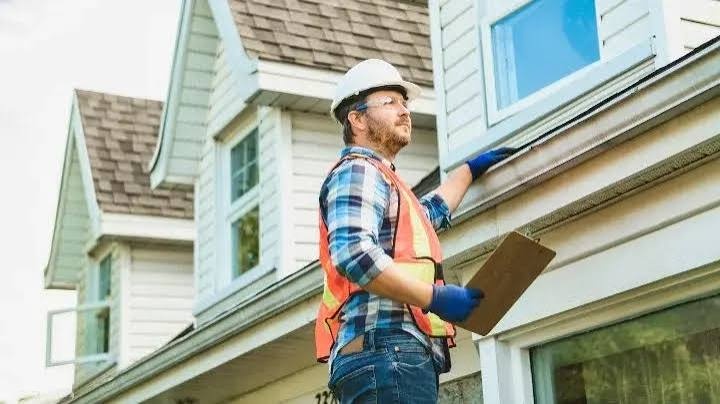
Hiring an independent inspector, separate from the builder's own team, is strongly recommended. This extra step helps identify problems early before they become expensive complications after the warranty period expires.
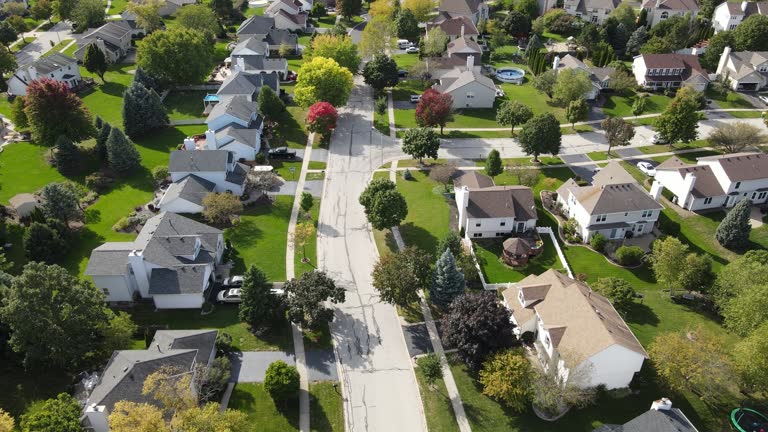
New construction often occurs in developing neighborhoods where infrastructure, schools, and amenities are still being established. Buyers may face years of ongoing construction noise and incomplete community features nearby.
Resale value for new homes can be harder to predict since the neighborhood lacks an established market history. Comparable sales data is limited, making it tricky to gauge long term appreciation potential accurately.
Some newly developed communities take longer than expected to reach full buildout, leaving buyers surrounded by vacant lots. This can affect both daily living experience and future property value growth significantly.
On the positive side, being an early buyer in a growing area sometimes means purchasing before prices rise. Early adopters occasionally benefit from substantial appreciation as the neighborhood matures and develops fully.
Weighing benefits against risks requires honest assessment of your priorities, budget flexibility, and tolerance for uncertainty. Buyers who value modern design and warranty protection may find new construction extremely appealing overall.
Those seeking established neighborhoods, mature landscaping, and predictable pricing might prefer resale homes instead. Both options carry distinct tradeoffs that deserve careful consideration based on personal lifestyle and financial circumstances.
Working with a real estate agent experienced in new construction transactions can help navigate builder negotiations. They understand contract nuances, warranty terms, and common pitfalls that first time buyers often miss.
Ultimately, thorough research, realistic budgeting, and patience during the buying process lead to better outcomes. Taking time to evaluate builders and communities ensures your investment aligns with long term goals.

This post has been authored and published by one of our premium contributors, who are experts in their fields. They bring high-quality, well-researched content that adds significant value to our platform.











Real Estate Guide provides trusted real estate news, market insights, investment tips, and property resources to help buyers, sellers, and investors make informed decisions.