Buying a home is one of the biggest financial decisions a person can make, especially in Florida where warm, humid conditions can create an ideal environment for wood-destroying organisms. While a standard home inspection can identify many visible concerns, it may not provide the specialized evaluation needed to identify termite activity and other organisms that can damage wood.
That is why a WDO termite inspection can be an important part of the home-buying process. A proper inspection can help buyers understand whether a property shows evidence of wood-destroying organisms, previous damage, or conditions that may encourage future activity.
WDO stands for wood-destroying organisms. These organisms can affect the structural components of a property and may include termites, wood-decay fungi, and certain wood-destroying beetles.
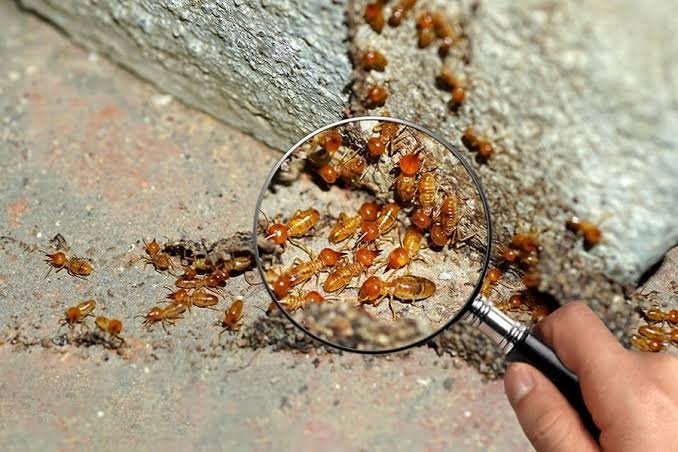
A WDO termite inspection is designed to look for visible evidence of these organisms and conditions associated with their presence. Termites are among the most concerning because an infestation can remain unnoticed while gradually damaging wooden components.
Unlike a general home inspection, a WDO inspection focuses specifically on wood-destroying organisms and related signs. Depending on the property and inspection conditions, the evaluation may identify active activity, evidence of previous treatment, visible damage, or areas that could create favorable conditions for future problems.
Today's homebuyers are becoming more careful about evaluating a property's condition before completing a purchase. A home may look well maintained on the surface while hidden wood damage exists in areas that are difficult to see.
Scheduling a WDO termite inspection provides buyers with another layer of information before making a major financial commitment.
Discovering termite-related concerns before closing gives a buyer an opportunity to ask questions, request additional evaluation, or discuss necessary repairs. It can also prevent a homeowner from being surprised by expensive wood repairs shortly after moving in.
For sellers, completing an inspection before listing can also be useful. Identifying potential WDO concerns early may make it easier to address issues before they become obstacles during negotiations.
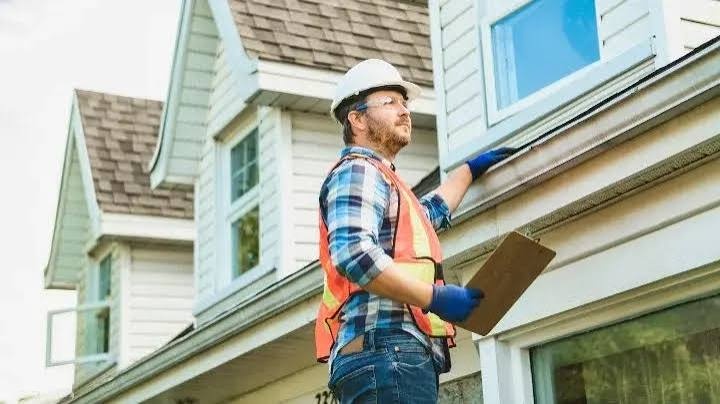
A professional inspection generally focuses on visible evidence associated with wood-destroying organisms. Some of the areas that may receive attention include:
The exact inspection scope can vary depending on the property, accessibility, construction, and inspection conditions.
It is important to understand that a WDO inspection is not necessarily a guarantee that every hidden problem will be discovered. Concealed areas, inaccessible spaces, finishes, insulation, stored belongings, and other obstructions can limit visibility.
Many homeowners associate WDO inspections exclusively with termites. However, wood-destroying organisms can include more than one type of threat.
Subterranean and drywood termites are common concerns, but wood-decay conditions and certain beetles can also contribute to deterioration. Recognizing these different problems is important because the appropriate response may vary depending on the organism and the extent of damage.
For this reason, homeowners should not assume that the absence of visible termites means a property has no WDO-related concerns.
Homebuyers should pay attention to potential warning signs during the property evaluation process. These can include damaged or deteriorated wood, discarded wings, mud tubes, visible insect activity, hollow-sounding wood, moisture problems, or areas where wood remains in prolonged contact with soil.
However, the absence of obvious signs does not necessarily mean a property is free from wood-destroying organisms. Termites can remain concealed inside walls, under flooring, or in other difficult-to-access locations.
Professional evaluation can therefore be valuable, particularly when purchasing an older home or a property with a history of moisture or pest concerns.
The ideal time is generally before purchasing a property, while there is still an opportunity to investigate concerns and make informed decisions.
A WDO inspection may be especially worthwhile when:
In some real estate transactions, specific loan programs or lenders may require documentation concerning wood-destroying organisms. Buyers should always confirm the current requirements with their lender, real estate professional, or other transaction professionals.
An inspection is only one part of protecting a home. Homeowners can also reduce conditions that attract or support wood-destroying organisms.
Keep gutters and drainage systems functioning properly, address plumbing leaks quickly, maintain appropriate clearance between soil and wood components, and avoid allowing excessive moisture to remain around the foundation.
Regularly inspecting accessible areas can also help homeowners notice changes before they become more serious.
A home can be attractive, well renovated, and move-in ready while still having concerns that are not immediately obvious. A WDO termite inspection provides valuable information about visible evidence of termites and other wood-destroying organisms before a buyer commits to the property.
For Florida homeowners and buyers in 2026, combining a general home inspection with appropriate specialized inspections can provide a more complete picture of a property's condition. Identifying potential WDO concerns early can help buyers plan repairs, ask better questions, and make more confident real estate decisions.
A professional WDO termite inspection is therefore not simply another item on a checklist. It can be an important step toward protecting one of the largest investments most people will ever make—their home.

This post has been authored and published by one of our premium contributors, who are experts in their fields. They bring high-quality, well-researched content that adds significant value to our platform.








Real Estate Guide provides trusted real estate news, market insights, investment tips, and property resources to help buyers, sellers, and investors make informed decisions.