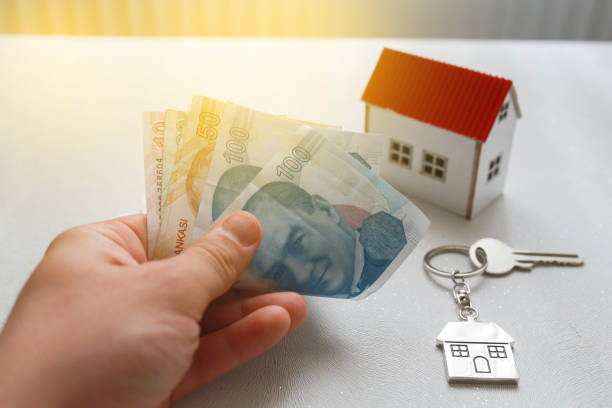
Purchasing a newly constructed home is an exciting milestone for many buyers. A brand-new property offers modern designs, energy efficiency, and the opportunity to become the first owner. However, buying a newly built house also comes with unique challenges that every buyer should understand before making a decision.
Whether you are purchasing your first home or upgrading to a larger property, understanding both the advantages and disadvantages will help you make an informed investment. Careful planning ensures your new home meets your expectations while protecting your financial future.
Newly constructed homes are designed with today's lifestyles in mind. Open-plan layouts, spacious kitchens, larger windows, and flexible living spaces provide greater comfort for families. Builders also incorporate the latest architectural trends that improve functionality and visual appeal.
Modern homes often include smart technology as standard. Features such as smart thermostats, security systems, video doorbells, and energy-efficient lighting make everyday living more convenient while helping homeowners reduce utility expenses throughout the year.
Another major benefit is improved construction materials. New insulation, stronger roofing materials, durable flooring, and modern plumbing systems generally require less maintenance than older properties. Buyers enjoy greater reliability during the first several years of ownership.
Many developers also offer buyers the opportunity to personalise finishes before construction is complete. Selecting flooring, kitchen cabinets, paint colours, and bathroom fixtures allows homeowners to create a living space that matches their personal style.
One of the strongest advantages of newly built homes is their excellent energy performance. Modern construction follows updated building regulations that focus on insulation, efficient heating systems, and environmentally friendly materials, reducing long-term household energy costs.
Energy-efficient windows and doors minimise heat loss throughout the winter while helping maintain cooler indoor temperatures during summer. Improved insulation reduces reliance on heating and cooling systems, making monthly utility bills more affordable.
New appliances installed in recently constructed homes often carry high energy ratings. Efficient boilers, water heaters, washing machines, and kitchen appliances consume less electricity and water, helping homeowners save money while reducing environmental impact.
Maintenance expenses are also generally lower during the early years. Since every component is brand new, owners are less likely to face expensive repairs involving roofs, plumbing systems, electrical wiring, or structural issues immediately after moving in.
Many newly constructed homes include comprehensive builder warranties covering structural defects and workmanship. These warranties provide peace of mind by protecting buyers from unexpected repair costs during the initial years following completion.
Some developers also offer financial incentives to attract buyers. These may include contributions toward legal fees, reduced deposits, upgraded fixtures, or assistance with mortgage arrangements, making home ownership more financially accessible.
New homes usually comply with current safety regulations. Updated electrical installations, fire-resistant materials, smoke alarms, and secure construction standards reduce potential risks while providing a safer environment for families and individuals.
Insurance premiums may also be lower because newly built properties generally present fewer structural risks. Modern construction standards often satisfy insurers, potentially reducing annual home insurance costs compared with older residential properties.
Despite their advantages, newly constructed homes may present certain risks. Construction delays can postpone completion dates, affecting moving plans and creating temporary accommodation expenses for buyers waiting to receive their property.
Some developments continue construction after residents move in. Ongoing building work may create noise, increased traffic, dust, and restricted access until the entire community has been completed by the developer.
Snagging issues are another common concern. Minor defects such as uneven paintwork, faulty fittings, poorly aligned doors, or damaged flooring may become noticeable after moving in, requiring builders to complete corrective work.
Property prices for new homes sometimes include a premium. Buyers should compare nearby resale properties carefully because newly built homes may initially lose value before appreciating over the longer term as surrounding communities become established.
Many new housing developments are built on expanding suburban areas. While these locations often provide modern infrastructure, schools, parks, and shopping centres may take several years to become fully established for residents.
Transport connections can vary significantly between developments. Buyers should evaluate commuting routes, public transport availability, nearby healthcare facilities, educational institutions, and retail services before committing to any property purchase.
Future development plans surrounding the neighbourhood should also be investigated. Additional housing phases, commercial projects, or infrastructure improvements may positively or negatively influence property values and overall quality of life.
Long-term appreciation depends on market demand, construction quality, neighbourhood growth, and economic conditions. Choosing a reputable developer and a desirable location can significantly improve the property's future resale potential.
Before purchasing a newly constructed home, buyers should carefully research the developer's reputation. Reading customer reviews, visiting completed developments, and examining previous projects provides valuable insight into construction quality and customer satisfaction.
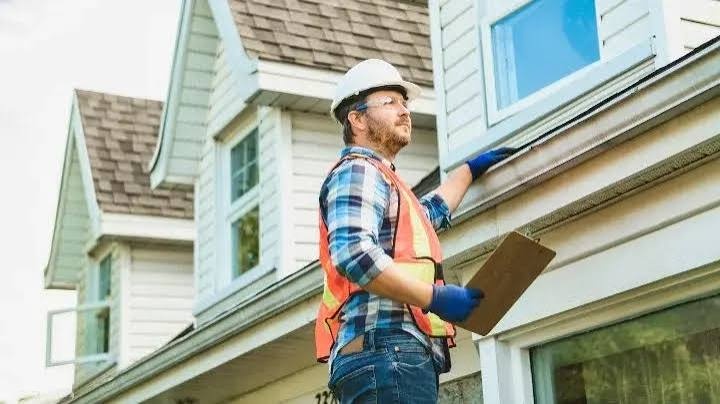
Always arrange an independent property inspection before final completion. Professional inspectors can identify defects that may otherwise go unnoticed, ensuring builders resolve outstanding issues before ownership officially transfers to the buyer.
Review every contract carefully with legal assistance. Understanding completion dates, warranty coverage, payment schedules, and developer obligations helps avoid misunderstandings while protecting your interests throughout the buying process.
Ultimately, buying a newly constructed home can be an excellent investment when approached with careful planning. By balancing the modern benefits against potential risks, buyers can confidently choose a property that supports their financial goals and lifestyle for many years ahead.

This post has been authored and published by one of our premium contributors, who are experts in their fields. They bring high-quality, well-researched content that adds significant value to our platform.











Real Estate Guide provides trusted real estate news, market insights, investment tips, and property resources to help buyers, sellers, and investors make informed decisions.